Welcome to Cloud & Network Insights — a place where technology becomes clear, practical, and accessible. Here, we explore cloud computing, network infrastructure, and IT systems in a structured yet easy-to-understand way, helping you navigate complex technologies and real-world implementations.
You’ll find in-depth technical insights, practical guides, and detailed use cases covering areas such as cloud architecture, network design, cybersecurity, monitoring systems, and modern infrastructure solutions.
This platform is for those who seek understanding without complexity — whether you’re an IT professional, a student, or simply curious about how modern digital systems work. Take your time, explore the details, and build confidence as your technical knowledge grows.
Cloud & Network Insights also focuses on the broader impact of technology, showing how cloud platforms, network systems, and security practices shape business operations, innovation, and everyday digital experiences.
Ethernet remains the backbone of reliable network connectivity in homes, offices, and data centers. This guide explains how wired connections work, compares Ethernet vs WiFi performance, covers cable types and speeds, and provides practical troubleshooting advice for common connection problems
Building your own cloud storage gives you complete control over your data while potentially saving money compared to subscription services. This comprehensive guide covers hardware requirements, software platforms like Nextcloud, step-by-step installation, security best practices, and common mistakes to avoid
Web based and cloud based systems differ fundamentally in infrastructure, scalability, and costs. Web based systems run on fixed servers with predictable expenses, while cloud platforms offer elastic scaling with usage-based pricing. Learn which architecture fits your monitoring, remote access, or enterprise needs
Cloud infrastructure has become the backbone of modern IoT deployments, enabling millions of connected devices to communicate, process data, and deliver actionable insights at scale. This comprehensive guide examines IoT cloud platforms, architecture, security, and real-world use cases
Network visibility isn't optional anymore—it's essential. Whether you manage corporate infrastructure or a home network, knowing how to map your network gives you control, security, and troubleshooting power. This comprehensive guide covers network mapping tools, step-by-step processes, and platform-specific instructions
Network visibility isn't optional anymore—it's essential. Whether you manage corporate infrastructure or a home network, knowing how to map your network gives you control, security, and troubleshooting power. This comprehensive guide covers network mapping tools, step-by-step processes, and platform-specific instructions
Organizations managing connected devices face security and scalability challenges without structured oversight. Device management centralizes control, automates tasks, and enforces security policies across smartphones, laptops, and IoT sensors, preventing breaches while ensuring compliance
Ethernet remains the backbone of reliable network connectivity in homes, offices, and data centers. This guide explains how wired connections work, compares Ethernet vs WiFi performance, covers cable types and speeds, and provides practical troubleshooting advice for common connection problems
Network failures don't announce themselves politely. For small and medium businesses, disruptions translate directly into lost revenue and damaged reputation. This guide explains IT network support services, when you need professional help, and how to choose between in-house teams and managed providers
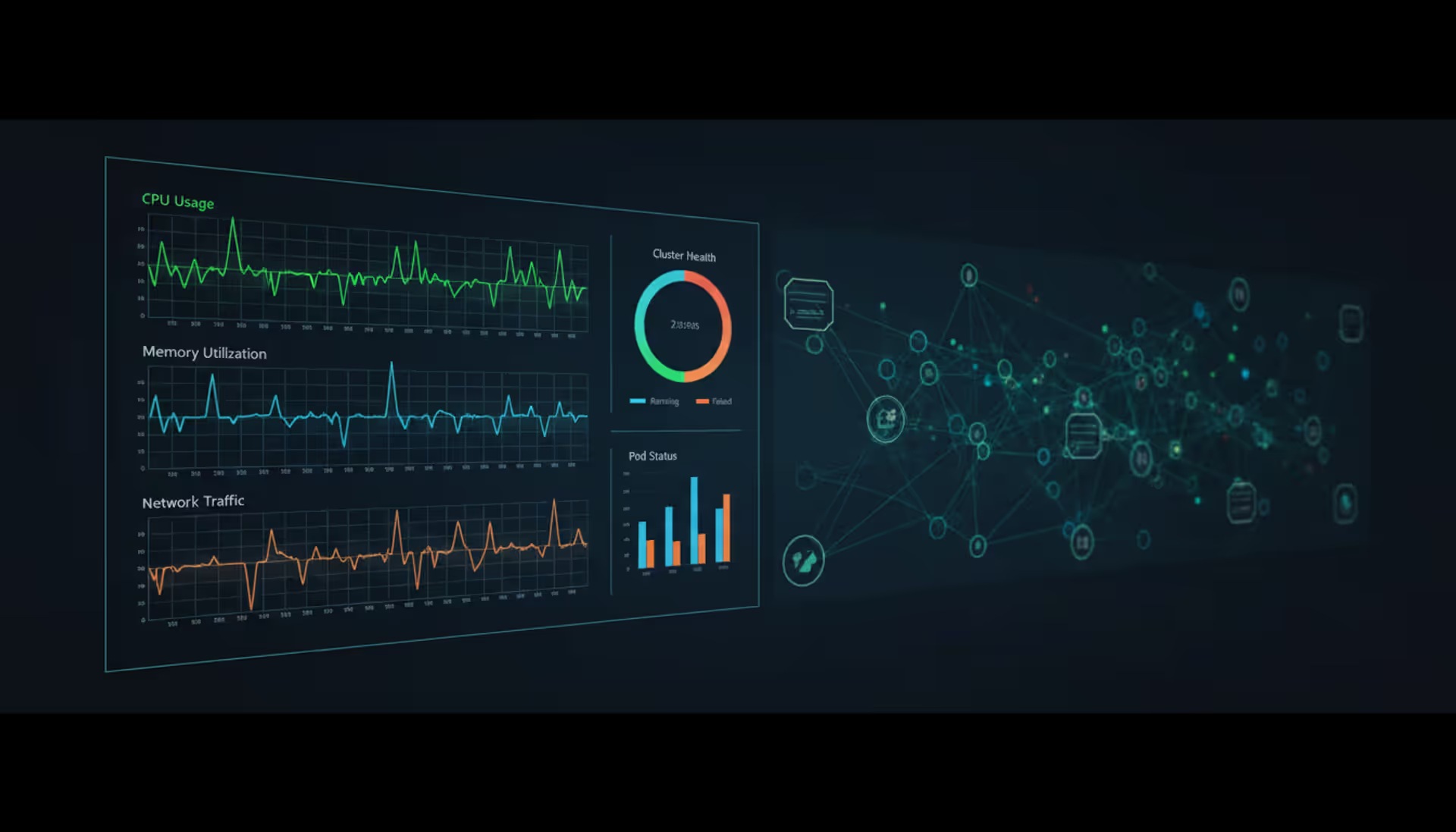
Master Kubernetes cluster monitoring with comprehensive guidance on tools, metrics, architecture, and implementation. Compare Prometheus, Grafana, Datadog, and other solutions while learning setup procedures, best practices, and disaster recovery strategies for production environments
Organizations moving critical workloads to the cloud face different requirements than small businesses. This guide explores enterprise cloud architecture, service models, provider selection criteria, management best practices, and real-world use cases across industries
Building your own cloud storage gives you complete control over your data while potentially saving money compared to subscription services. This comprehensive guide covers hardware requirements, software platforms like Nextcloud, step-by-step installation, security best practices, and common mistakes to avoid
MQTT brokers route messages between IoT devices using publish-subscribe architecture. This guide covers selecting the right broker, comparing free options like Mosquitto and EMQX, testing online brokers, and avoiding security and scalability mistakes that derail IoT projects
Remote management enables administrators to monitor, configure, and troubleshoot devices from central locations without physical access. This guide covers system architectures, platform types, key features, common use cases, and selection criteria for organizations implementing remote device management
A virtual network is a software-defined networking environment that replicates physical network infrastructure without dedicated hardware. This guide covers core components, virtual network functions, gateways, security best practices, cloud provider services, and a practical 6-step setup process
A Virtual Private Network creates an encrypted tunnel between your device and the internet, masking your IP address and routing traffic through a secure server. This comprehensive guide covers VPN setup for routers, self-hosted servers, small business networks, and home protection with detailed configuration steps
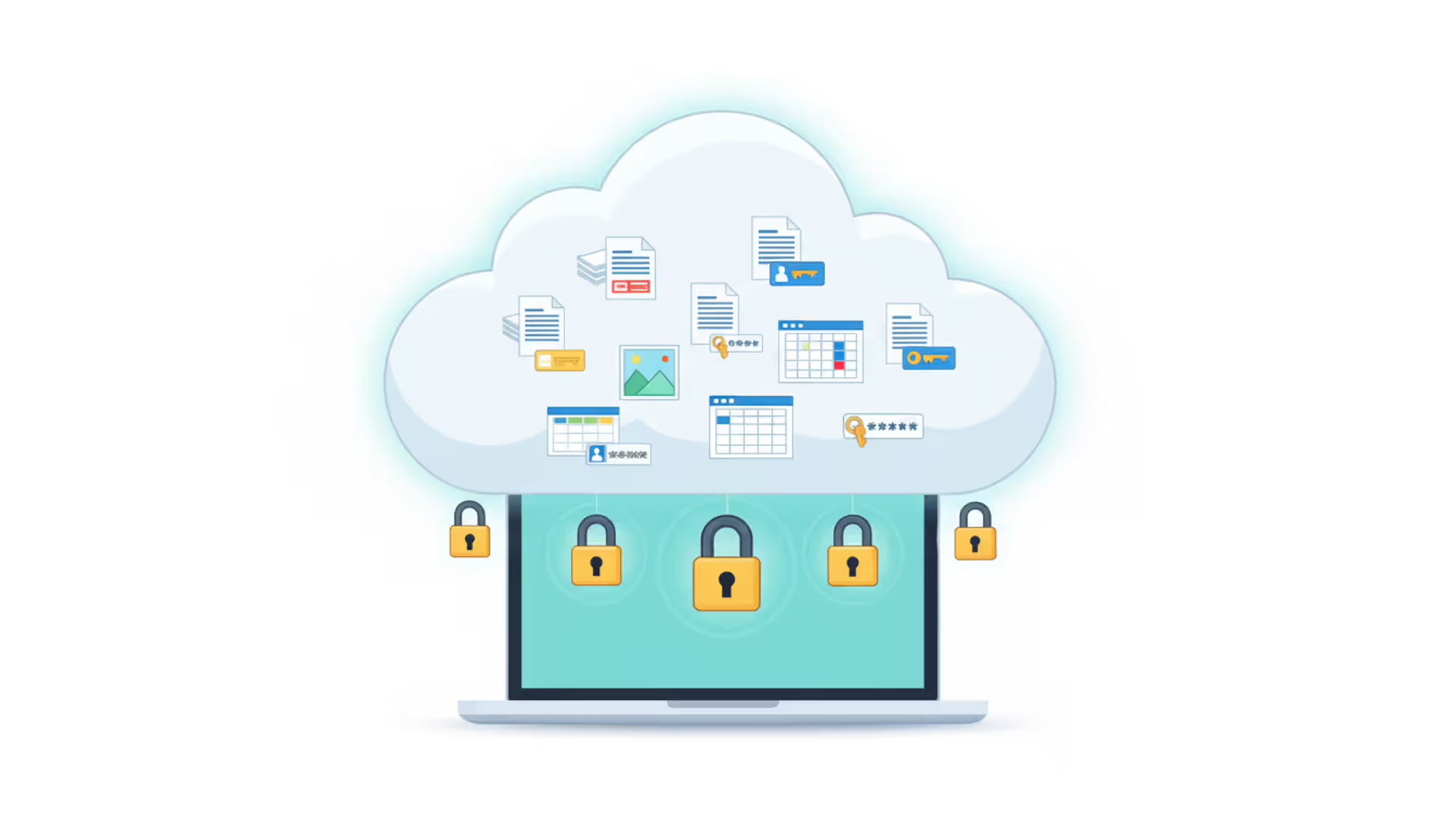
Choosing secure cloud storage requires understanding encryption types, privacy policies, and security features that actually protect your personal files. This guide compares top zero-knowledge providers and explains the technical differences between genuine privacy protection and basic security
Migrating to the cloud doesn't always require reimagining your entire infrastructure. Lift and shift migration moves applications to the cloud with minimal modifications—a pragmatic approach for organizations facing data center deadlines or managing legacy systems
You've probably seen "web based" and "cloud based" used like they mean the same thing. They don't. I've watched this confusion trip up procurement teams who thought they were buying cloud infrastructure but actually got traditional hosting with a browser interface.
Both architectures let you access software through browsers without desktop installations. That's where the similarities end. One runs on fixed servers you control (or rent). The other taps into elastic infrastructure that grows and shrinks automatically. Your choice determines whether you'll pay $500 monthly regardless of usage or $200 one month and $3,000 the next.
When you're evaluating a web based temperature monitoring system for your warehouse or considering network management tools, these architectural differences affect everything from your monthly bill to what happens when traffic suddenly triples.
Let's break down what these terms actually mean and when each approach makes sense for your situation.
Think of web based systems as traditional server setups accessible through your browser. The software lives on specific servers—either in your building, your data center, or rented from a hosting company. You navigate to a URL, log in, and the server does all the heavy lifting while your browser displays the results.
Here's how it works: Your company sets up servers (physical boxes or virtual machines from a traditional hosting provider). All the application code, dat...
The content on this website is provided for general informational purposes only. It is intended to offer insights, commentary, and analysis on cloud computing, network infrastructure, cybersecurity, and IT solutions, and should not be considered professional, technical, or legal advice.
All information, articles, and materials presented on this website are for general informational purposes only. Technologies, standards, and best practices may vary depending on specific environments and may change over time. The application of any technical concepts depends on individual systems, configurations, and requirements.
This website is not responsible for any errors or omissions in the content, or for any actions taken based on the information provided. Users are encouraged to seek qualified professional advice tailored to their specific IT infrastructure, security, and business needs before making decisions.